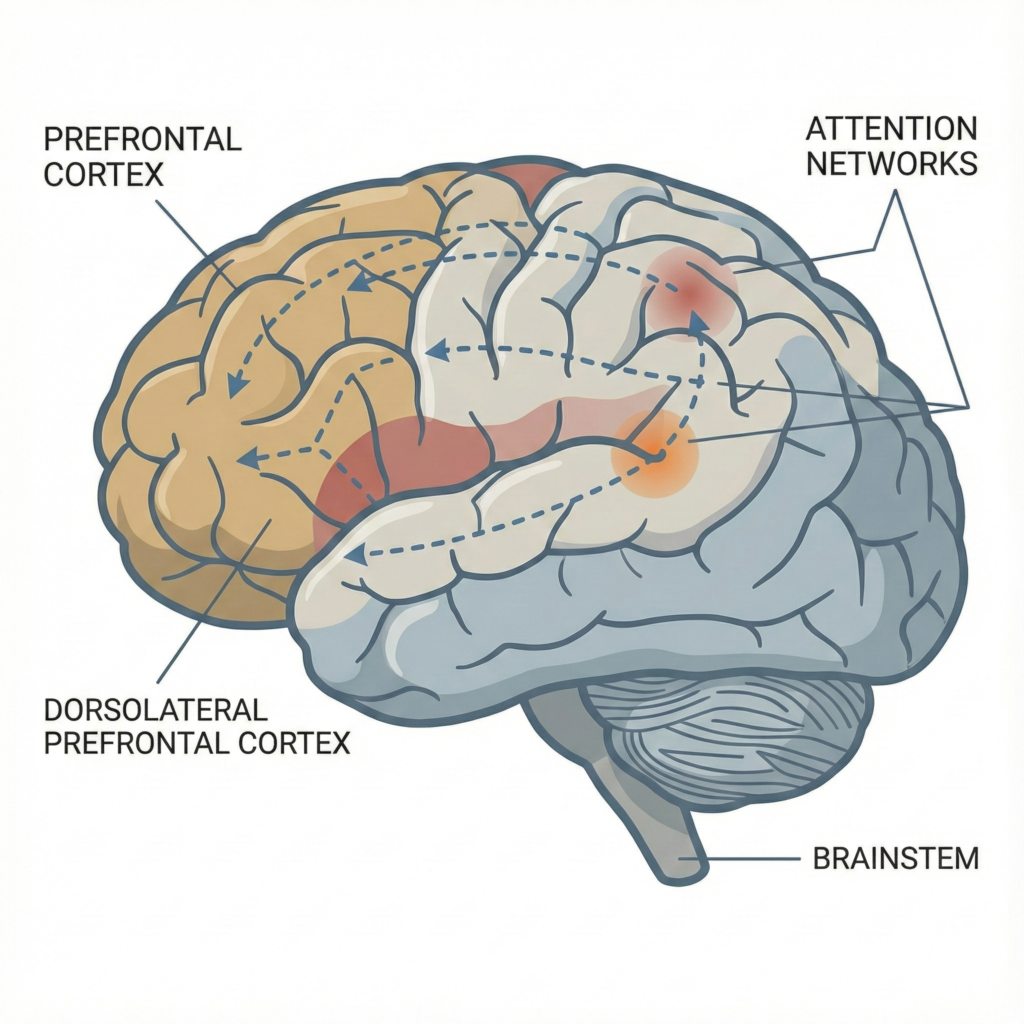
Saying no at work is essential for protecting health, reducing stress, and preventing burnout in modern workplaces. Over time, always saying yes to extra tasks, late hours, and emotional labour can quietly harm both mental and physical health.
This article explores how learning to say no at work can improve health, reduce stress, and support long-term well-being—drawing from lived experience and established workplace health research.
The Culture of Overcommitment at Work
Modern workplaces often reward availability rather than sustainability. Employees who respond quickly, stay late, and accept every request are seen as reliable. However, this culture creates an environment where boundaries feel risky.
Common workplace patterns include:
- Accepting tasks beyond job scope
- Skipping breaks to appear productive
- Working after hours to meet unrealistic expectations
- Avoiding refusal out of fear of judgment or job insecurity
Over time, this constant pressure activates chronic stress responses in the body.
How Saying Yes All the Time Affects Health
When workplace demands exceed recovery time, the body enters a prolonged stress state. According to occupational health research, sustained work-related stress is associated with:
- Poor sleep quality
- Persistent fatigue and burnout
- Headaches and muscle tension
- Digestive discomfort
- Increased anxiety and reduced concentration
- Lower immune resilience
When saying no at work becomes difficult, employees often remain trapped in chronic stress cycles that harm long-term health.
The National Institutes of Health (NIH) and World Health Organisation (WHO) recognise chronic workplace stress as a contributor to long-term health problems, not just temporary discomfort.
In simple terms, always saying yes at work keeps the nervous system in “survival mode.”
A Personal Turning Point: Learning to Say No Professionally
My own shift began when exhaustion stopped feeling temporary. Despite being productive, I felt constantly drained and mentally foggy. Medical check-ups showed no underlying disease—only stress.
The change did not come from quitting my job. It came from changing how I responded.
Instead of immediate agreement, I began using neutral, professional pauses:
- “Let me review my current workload.”
- “I won’t be able to take this on right now.”
- “We’ll need to revisit priorities if this is urgent.”
These responses were calm, respectful, and firm. The result was unexpected: fewer late nights, clearer expectations, improved sleep, and better focus.
Why Saying No at Work Is Not Unprofessional
Learning the habit of saying no at work helps employees manage workload expectations and protect their physical and mental health.
Workplace psychology research shows that employees who set clear boundaries often:
- Perform better on core responsibilities
- Experience less burnout
- Communicate more effectively
- Maintain healthier professional relationships
Clear boundaries reduce resentment and errors. They also protect cognitive performance, which declines under chronic stress.
Practical Ways to Say No at Work Without Conflict
Setting boundaries does not require confrontation. These strategies are widely recommended in leadership and occupational health settings:
1. Pause Before Responding
Avoid immediate answers. A short pause allows rational decision-making instead of stress-driven agreement.
2. Use Work-Focused Language
Frame responses around workload and priorities, not personal explanations.
3. Offer Alternatives When Possible
If appropriate, suggest timelines or redistribution rather than refusal alone.
4. Protect Recovery Time
Breaks, weekends, and sleep are not optional. They are essential for sustained performance.
Long-Term Health Benefits of Workplace Boundaries
Reducing chronic workplace stress allows the body to recover. Studies referenced by the American Psychological Association (APA) show that boundary-setting is linked to:
- Lower stress hormone levels
- Improved sleep patterns
- Better emotional regulation
- Reduced risk of burnout and anxiety
Health improves not because work disappears—but because the body is no longer under constant threat.
Final Takeaway
Learning to say no at work is not about doing less. It is about working sustainably.
Saying no at work is a skill that supports sustainable performance, emotional balance, and long-term health.
When boundaries are respected, both productivity and health improve. Over time, saying no becomes not a weakness—but a professional skill that protects long-term well-being.
Disclaimer
This article is for educational purposes only and does not replace professional medical or mental health advice. Individuals experiencing persistent stress or burnout should consult a qualified healthcare professional.
References & Trusted Sources
- World Health Organization (WHO) – Occupational health and stress
- National Institutes of Health (NIH) – Stress and health
- American Psychological Association (APA) – Work stress and burnout