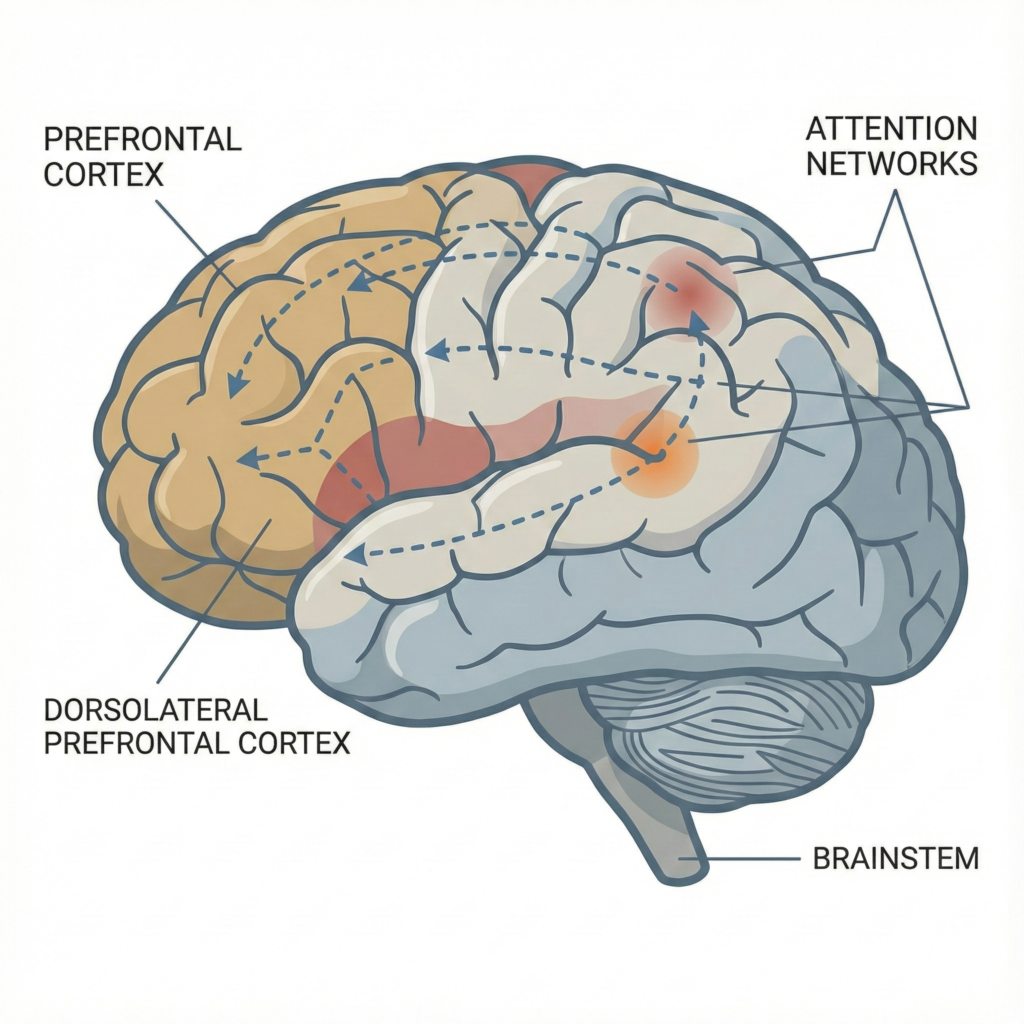
It is a common misconception that procrastination is a failure of discipline. Clinical research suggests it is more accurately described as an emotional regulation issue.
Procrastination is a pervasive challenge in modern life, often characterized by a voluntary delay of intended tasks despite expecting to be worse off for the delay. While often attributed to “laziness” or poor time management, current psychological consensus views procrastination as a mechanism to avoid negative emotions associated with a specific task—such as anxiety, insecurity, or boredom.
When the brain views a task as threatening or overwhelming, it prioritizes short-term mood repair (avoidance) over long-term goal pursuit. Understanding this neurological disconnect is the first step toward behavioral change.
The Neurobiology of Avoidance
Procrastination can be understood as a conflict between two areas of the brain:
- The Limbic System: The ancient, emotional part of the brain that seeks immediate gratification and avoids discomfort.
- The Prefrontal Cortex: The area responsible for executive functions, such as planning, decision-making, and long-term goals.
When a task triggers feelings of inadequacy or stress, the limbic system overrides the prefrontal cortex. Avoidance provides immediate relief, flooding the brain with a temporary sense of reward. However, this creates a negative reinforcement loop: the brain learns that avoiding the task reduces anxiety, making it more likely to default to avoidance in the future, even as the actual task becomes more urgent.
Modern Contributors to Chronic Delay
Reports of chronic procrastination have risen, likely exacerbated by environmental factors that strain executive function.
Cognitive Load and “Alert Fatigue”: The modern digital environment keeps the brain in a state of hyper-arousal. Constant notifications fragment attention, reducing the cognitive capacity required to initiate complex tasks.
Decision Fatigue: The sheer volume of daily micro-decisions depletes mental energy (glucose) available for self-regulation. By the time a significant task arises, the brain’s resources for volition may be exhausted.
Burnout: Chronic stress dysregulates the hypothalamic-pituitary-adrenal (HPA) axis. When an individual is in a state of burnout, procrastination functions as a protective mechanism to conserve energy, rather than a voluntary choice to delay.
Evidence-Based Strategies for Management
To interrupt the procrastination cycle, interventions must focus on lowering the “activation energy” required to start and regulating the associated emotions, rather than relying solely on willpower.
1. Task Segmentation (Micro-Goals)
Large, abstract tasks (e.g., “Write report”) activate the brain’s pain centers. Breaking a task down into its smallest actionable unit reduces the threat response.
- The Strategy: Do not aim to finish. Aim to perform a distinct, two-minute action, such as opening the software or reading a single paragraph. This lowers the psychological barrier to entry.
2. Affect Labeling
Research indicates that naming an emotion can reduce its intensity. This technique, known as affect labeling, dampens activity in the amygdala and increases activity in the prefrontal cortex.
- The Strategy: Before starting, explicitly identify the friction. Ask: “Am I avoiding this because I am anxious about the outcome, or because I am fatigued?” Acknowledging the emotion disconnects it from the act of working.
3. Circadian Alignment
Executive function fluctuates throughout the day based on circadian rhythms. Forcing high-focus work during a “trough” in alertness increases the likelihood of procrastination.
- The Strategy: Schedule high-demand cognitive tasks during peak alertness (often mid-morning for many chronotypes) and reserve administrative or low-stakes tasks for periods of lower energy.
4. Cognitive Reframing
Perfectionism—specifically the fear of failing to meet a high standard—is a primary driver of procrastination.
- The Strategy: Shift the objective from “competence” to “commencement.” adopting a “rough draft” mindset permits the brain to engage without the pressure of immediate perfection.
5. Self-Compassion vs. Self-Criticism
Contrary to popular belief, harsh self-criticism increases procrastination. Studies show that individuals who practice self-compassion regarding past procrastination are less likely to procrastinate on future tasks. Guilt drains cognitive resources; forgiveness restores them.
When to Seek Professional Evaluation
While procrastination is a common human experience, it can occasionally be a symptom of an underlying condition. If procrastination is persistent and accompanied by the following, it may warrant a clinical evaluation:
- Sleep disturbances (insomnia or hypersomnia).
- Anhedonia (loss of interest in activities once enjoyed).
- Pervasive difficulty concentrating or sitting still.
These symptoms can indicate underlying issues such as Attention Deficit Hyperactivity Disorder (ADHD), clinical depression, or generalized anxiety disorder, which require distinct medical or therapeutic management.
Summary
Sustainable productivity is not the result of increased pressure; it is the result of reduced internal resistance. By managing emotional regulation, respecting cognitive limits, and breaking the cycle of avoidance with small, non-threatening steps, it is possible to restore executive control.
Disclaimer: As a service to our readers, this content provides access to our library of archived content. No content on this site, regardless of date, should ever be used as a substitute for direct medical advice from your doctor or other qualified clinician.
Frequently Asked Questions
Is procrastination a sign of laziness?
No. Clinical research indicates that procrastination is more accurately described as an emotional regulation issue rather than a lack of discipline. People often delay tasks to avoid uncomfortable emotions such as anxiety, insecurity, or mental fatigue.
Why do intelligent and high-performing people procrastinate?
High achievers often experience procrastination due to heightened threat sensitivity, perfectionism, and excessive cognitive load. In these cases, avoidance functions as a protective response rather than a motivational deficit.
How does stress affect procrastination?
Chronic stress dysregulates executive function by impairing prefrontal cortex activity. When stress levels remain high, the brain prioritizes short-term mood relief over long-term goal completion, increasing avoidance behaviors.
Can sleep problems worsen procrastination?
Yes. Poor sleep quality reduces attention, working memory, and emotional regulation. These impairments increase task initiation difficulty and make procrastination more likely, particularly for cognitively demanding work.
When should procrastination be evaluated clinically?
If procrastination is persistent and accompanied by sleep disturbances, anhedonia, severe concentration difficulties, or emotional distress, a professional evaluation may be warranted to rule out conditions such as ADHD, depression, or anxiety disorders.
References
The following authoritative sources provide additional scientific context on procrastination, emotional regulation, executive function, and stress-related cognitive processes:
- American Psychological Association (APA)
Procrastination, self-regulation, and emotional avoidance
https://www.apa.org/monitor/2010/04/procrastinate - Nature Reviews Neuroscience
Stress signalling pathways and prefrontal cortex function
https://www.nature.com/articles/nrn2648 - The Lancet Psychiatry
Research on stress, burnout, and cognitive control
https://www.thelancet.com/journals/lanpsy - Harvard Health Publishing
Stress, brain health, and emotional regulation
https://www.health.harvard.edu/mind-and-mood