
What People Mean by Porn Addiction — A Health Perspective
Compulsive pornography use—often referred to as porn addiction in public discourse—is increasingly recognized as a behavioral health concern rather than a moral or character failing. In India, rising smartphone penetration, affordable data access, and social taboos around sexual health have created conditions where problematic use may go unnoticed, unaddressed, and poorly understood.
From a clinical perspective, compulsive pornography use reflects alterations in reward processing, stress regulation, and habit formation, particularly in individuals experiencing chronic stress, loneliness, anxiety, or emotional dysregulation.

Why Digital Porn Affects the Brain’s Reward System
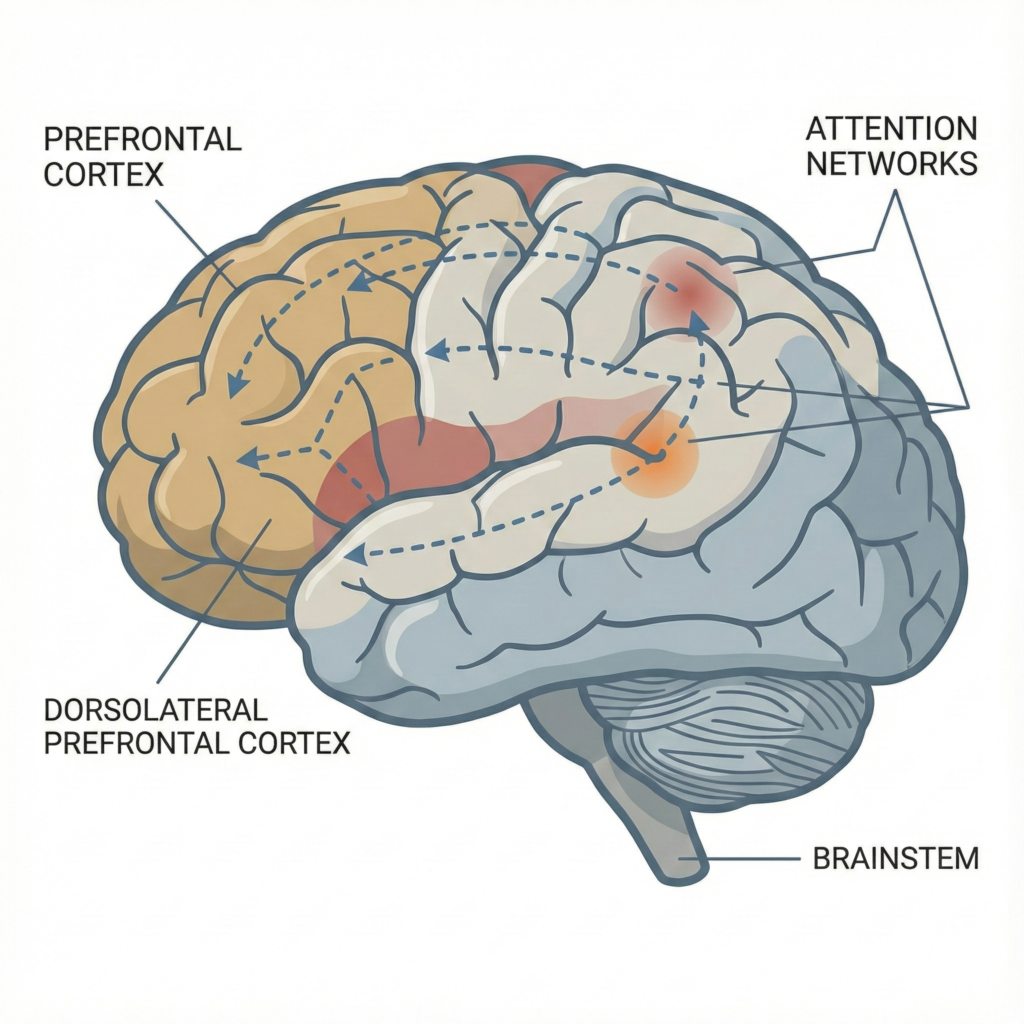
Pornographic content activates the brain’s mesolimbic dopamine pathway, a neural circuit involved in motivation, learning, and reinforcement. Dopamine release itself is not harmful; it is essential for survival and goal-directed behaviour.
However, repeated exposure to highly stimulating, novelty-rich digital content can lead to:
- Conditioning of arousal to artificial stimuli
- Reduced sensitivity to everyday rewards
- Increased craving for intensity or novelty
- Difficulty disengaging despite negative consequences
This pattern resembles other compulsive behavior’s and does not imply structural brain damage, but rather functional adaptation to repeated stimulation.
When Porn Use Shifts from Habit to Compulsion
Pornography use exists on a spectrum. Clinical concern arises not from frequency alone, but from loss of control and functional impairment.
Problematic use may be associated with:
- Persistent inability to reduce consumption
- Use as a primary coping strategy for stress or emotional discomfort
- Escalation in content or duration
- Declining interest in real-world intimacy
- Interference with work, study, sleep, or relationships
In the Indian context, secrecy driven by shame or cultural silence often intensifies distress, reinforcing compulsive cycles.
Common Emotional and Mental Health Effects of Compulsive Porn Use
Studies suggest associations between compulsive pornography use and:
- Anxiety and low mood
- Reduced concentration and motivation
- Emotional blunting or irritability
- Distorted expectations around intimacy and relationships
Importantly, these effects are bidirectional: emotional distress may increase reliance on pornography, while compulsive use may further impair emotional regulation.
How Stress, Loneliness, and Burnout Fuel Digital Coping Behaviors
Chronic stress activates the body’s threat-response systems. When emotional expression or social support is limited—as is common in many Indian households—individuals may turn to private, easily accessible digital relief.
Pornography may temporarily:
- Reduce tension
- Provide distraction
- Offer a sense of control
Yet reliance on this pathway may weaken resilience to everyday stress over time.
Why Shame and Silence Make Recovery Harder
Moral framing and self-blame increase physiological stress, which paradoxically strengthens compulsive behaviour. Research consistently shows that shame-based approaches worsen outcomes.
A health-oriented framework emphasises:
- Behaviour as an adaptive response to unmet needs
- Regulation over suppression
- Understanding over punishment
Reducing stigma is often a prerequisite for recovery.
What Science Says About Recovering from Porn Addiction
Effective care focuses on restoring nervous system balance and behavioural flexibility, rather than abstinence alone.
Psychological Interventions
- Cognitive-behavioural approaches addressing habit loops and triggers
- Therapy focused on emotional regulation and stress tolerance
- Supportive counselling to reduce shame and secrecy
Lifestyle and Behavioural Strategies
- Reducing digital overstimulation (especially late-night screen exposure)
- Improving sleep hygiene
- Regular physical activity
- Strengthening real-world social and emotional connections
Professional Support
Seeking help from a mental health professional does not imply severity. Early support often prevents escalation and improves long-term outcomes.
When Professional Support May Be Helpful
Professional evaluation may be appropriate if compulsive use coexists with:
- Persistent anxiety or depressive symptoms
- Relationship distress or sexual dysfunction
- Loss of control across multiple behaviours
- Significant occupational or academic impairment
Such presentations may reflect broader stress-related or mood conditions requiring integrated care.
Why This Is a Growing Public Health Conversation in India
In India, limited sex education, stigma around mental health, and barriers to accessing care contribute to underreporting and delayed intervention. Framing compulsive pornography use as a modifiable behavioral health issue allows individuals and families to seek help without fear or judgment.
Frequently Asked Questions
Clear, evidence-based answers to common questions about compulsive pornography use and recovery.
What is porn addiction?
Porn addiction—more accurately described as compulsive pornography use—refers to difficulty controlling porn consumption despite negative effects on mental health, relationships, or daily functioning. It is understood as a behavioural health issue rather than a moral failing.
Is porn addiction a real medical condition?
While porn addiction is not formally classified as a standalone diagnosis, compulsive sexual behaviours are recognised in clinical psychology. Many clinicians treat it using evidence-based approaches similar to other compulsive or stress-related behaviours.
How does pornography affect the brain?
Pornographic content activates the brain’s dopamine-based reward system. Repeated overstimulation can reinforce habit loops, reduce sensitivity to natural rewards, and increase reliance on pornography for emotional regulation—especially during stress.
Does watching porn always lead to addiction?
No. Many people consume pornography without developing problems. Concern arises when use becomes compulsive, interferes with daily life, or is used as a primary coping mechanism for emotional distress.
Can porn addiction affect mental health?
Compulsive porn use has been associated with anxiety, low mood, reduced motivation, emotional numbness, and relationship difficulties. These effects often interact with stress, loneliness, or burnout.
What helps in recovering from porn addiction?
Recovery focuses on emotional regulation rather than restriction alone. Helpful approaches include reducing digital overstimulation, improving sleep and physical activity, strengthening real-world connection, and seeking professional psychological support when needed.
When should someone seek professional help?
Professional support may be helpful if porn use feels uncontrollable, causes significant distress, affects relationships or work, or coexists with anxiety, depression, or other compulsive behaviours.
The Takeaway: Compulsive Porn Use Is Treatable and Understandable
Porn addiction is best understood as a brain-based behavioral pattern shaped by stress, accessibility, and emotional regulation, not as a moral weakness. The brain remains adaptable throughout life. With supportive, evidence-based care, individuals can restore balance, improve emotional well-being, and rebuild healthy relationships.


Pingback: The Intimacy Recession: 5 Powerful Shifts to Reconnect in a World Obsessed with Efficiency